

How Long Distance Towing Works: What Michigan Drivers Need to Know in 2026
Long distance towing goes beyond a standard local tow, and Michigan drivers should understand how it works before they find themselves stranded far from home. Whether your car breaks down on I-94 near Marshall, MI, you're relocating across state lines, or you need a non-running vehicle moved hundreds of miles, the process requires more planning than a typical tow. Tiger's Towing is available 24/7 to help, so call (269) 963-6613 any time you need a reliable long distance tow.
What Qualifies as Long Distance Towing?
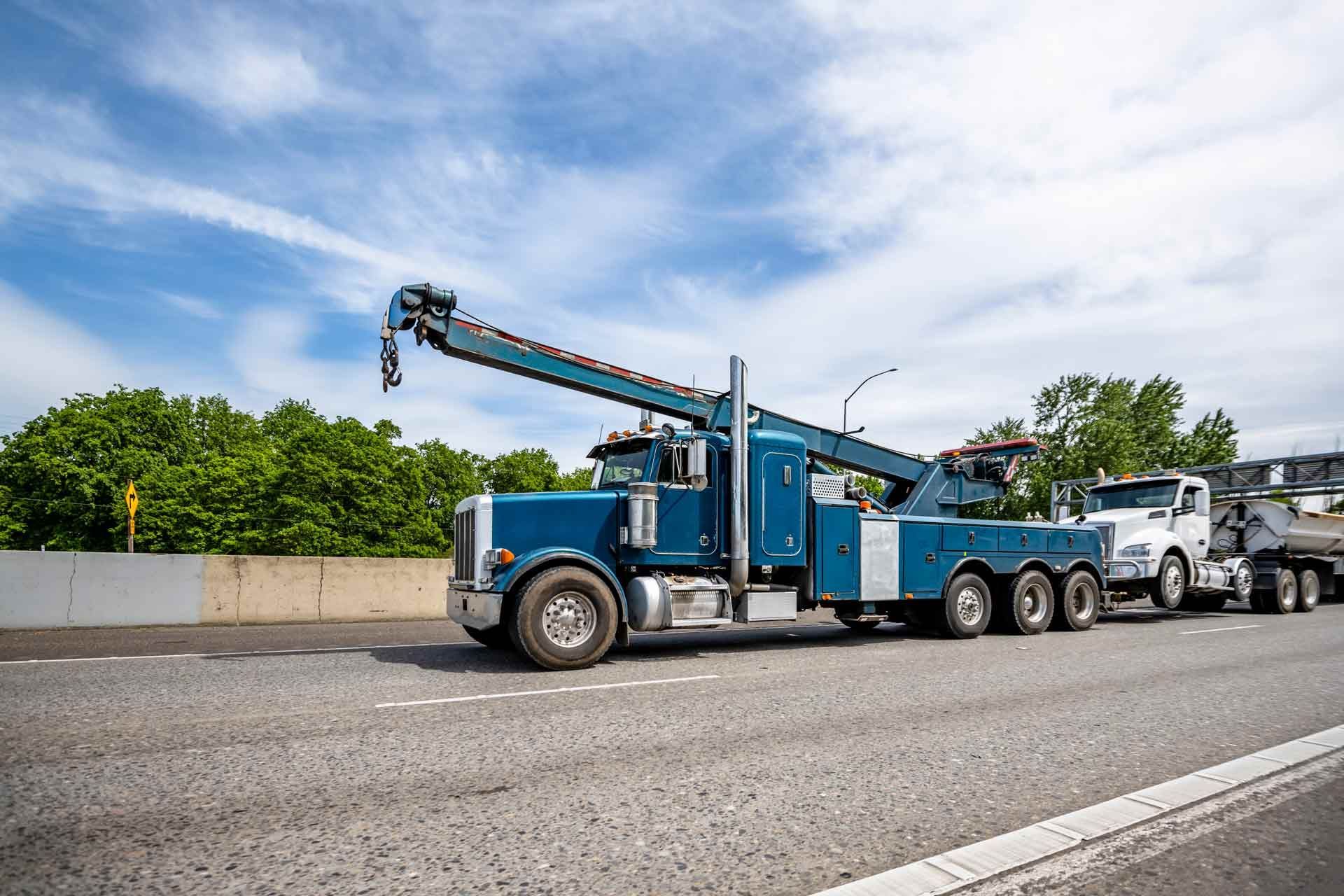
Long distance towing generally refers to any tow exceeding roughly 100 miles, though the threshold varies by provider. A long distance tow may move a vehicle across the state or into Indiana, Ohio, or Illinois. For drivers in Marshall, MI, it often comes up when a vehicle breaks down on I-94 or US-12 far from home, or when someone purchases a non-running car that needs transport from another region. The key distinction is that a long haul requires more coordination, specialized equipment, and logistical planning.
Flatbed vs. Carrier for Long Hauls
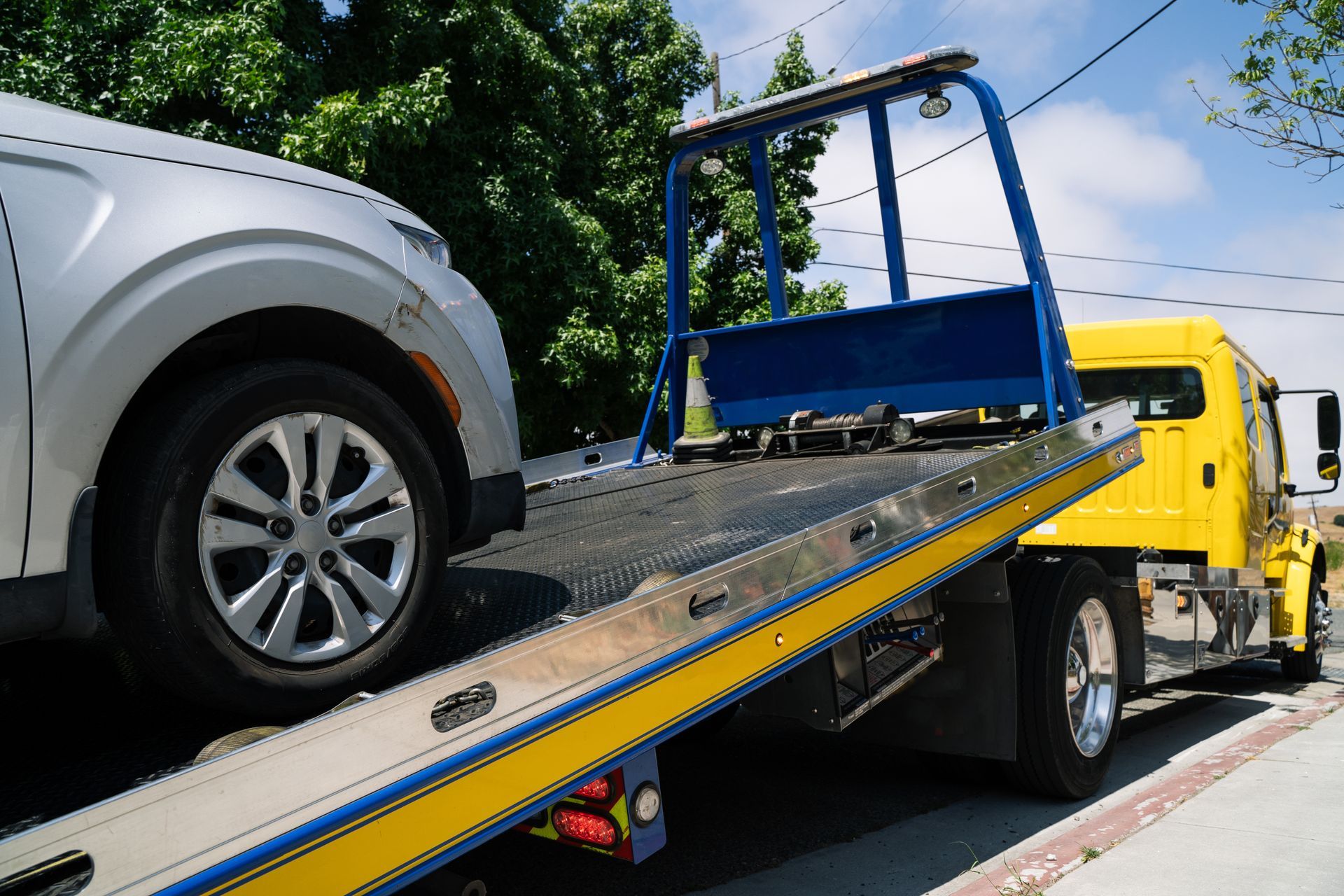
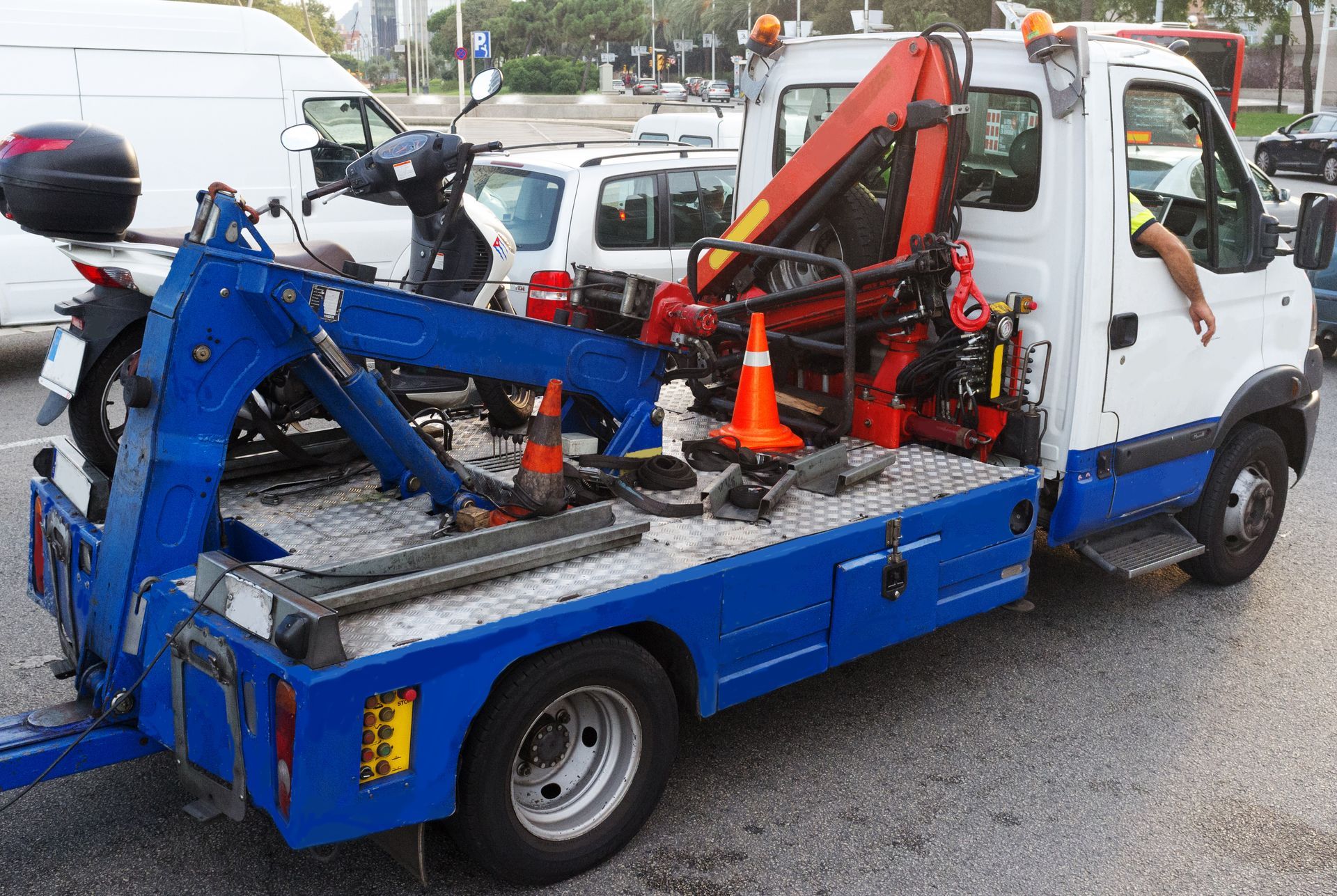
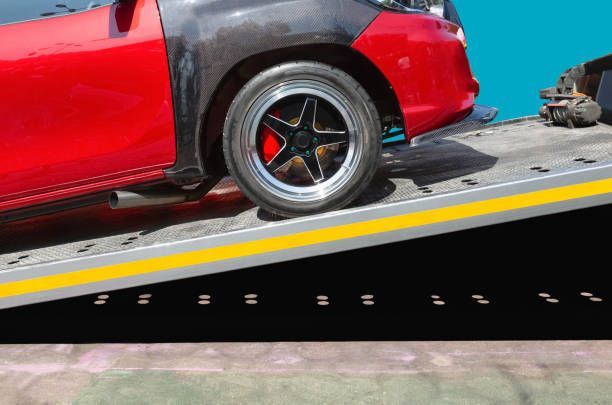
Flatbed towing is the preferred method for long distance transport. A flatbed lifts all four wheels off the ground and secures the vehicle to a flat platform, preventing drivetrain wear and reducing damage risk over hundreds of miles. Luxury cars, all-wheel-drive vehicles, motorcycles, and accident-damaged cars are especially well suited to flatbed transport.
A wheel-lift or hook-and-chain setup may work for short local trips but is not recommended for long hauls. With two wheels still rolling, the drivetrain accumulates wear over an extended run. For any tow covering significant distance, a flatbed is the safer choice.
Vehicle Prep Checklist Before a Long Haul
Preparing your vehicle before a long-distance tow can prevent complications and protect your car:
- Disable any active alarm system to prevent it from triggering during transport.
- Remove or secure loose items inside the cabin.
- Confirm your fuel level with the driver, as excess fuel weight is unnecessary for a non-driven tow.
- Document the vehicle's condition with photos before loading, covering all four sides.
- Confirm your destination address and any access restrictions so the driver can plan accordingly.
You can also find us on Google Maps for business details and location information.
Cross-State Considerations From Michigan
Michigan's location makes it a natural starting point for cross-state tows heading into Indiana, Ohio, or Illinois. The towing company typically handles state compliance through its USDOT and Motor Carrier credentials, but a few things matter on your end.
Have your title or registration available, especially for non-running vehicles, as some states may require ownership documentation. Confirm whether your destination state has emissions or inspection requirements before the vehicle can be registered or driven there. Also verify that your provider carries active interstate operating authority through an MC number from the Federal Motor Carrier Safety Administration.
Does My Auto Insurance Cover a Long Distance Tow?
Most policies include roadside assistance, but coverage limits vary. Some cap reimbursement at a dollar amount or mileage threshold that would not cover a multi-hundred-mile haul. Check with your insurer before scheduling.
Should I Hire a Local or National Carrier?
A local towing company with interstate authority often offers faster response and direct communication. National brokers may dispatch a subcontractor, adding uncertainty about the driver and equipment. A local provider operating its own fleet can offer more transparency over the process.
Get a Free Quote for Long Distance Towing Near Marshall, MI
When you need reliable long distance towing serving Marshall, MI and Calhoun County,
Tiger's Towing is available 24/7 with a licensed fleet equipped for cross-state transport. Upfront quotes are provided before any work begins.
Reach out directly or call
(269) 963-6613 any time.